
Drone Laws in New Mexico
Your complete 2026 guide to flying drones legally in New Mexico.
Welcome to your complete guide to drone laws in New Mexico for 2026.The drone laws in New Mexico are a mix of federal, state, and local rules that all pilots must follow to ensure safe and legal operations. New Mexico’s diverse geography, from the deserts of the south to the mountains of the north, makes it a popular destination for drone pilots. However, this also means that there are a variety of sensitive areas where drone use may be restricted.
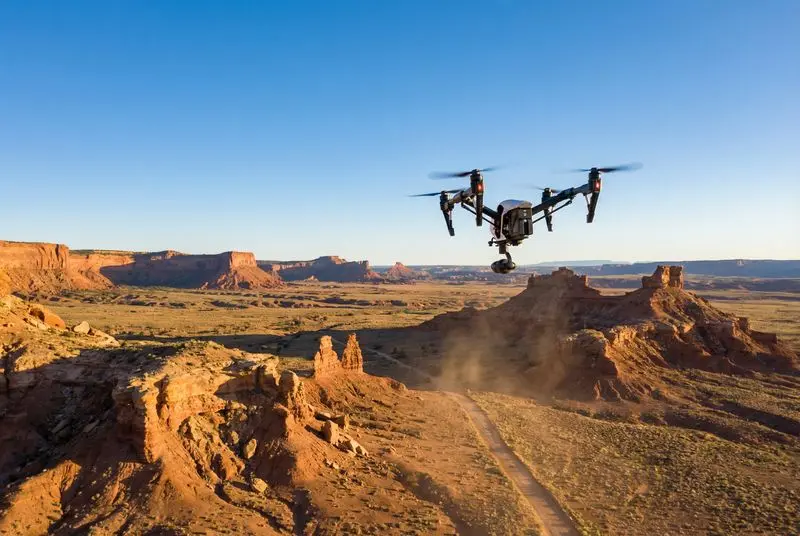
First and foremost, all drone operations in the United States, including New Mexico, are subject to the regulations set forth by the FAA. These federal laws provide the foundational framework for safe drone operation and apply to both commercial and recreational pilots. It is important to understand these federal regulations as they form the basis for all other drone laws in New Mexico.
- Registration: All drones weighing more than 0.55 pounds (250 grams) must be registered with the FAA. You can register your drone through the FAA DroneZone website. Registration costs $5 and is valid for three years. Your registration number must be clearly marked on the exterior of your drone. This is a critical first step for any drone pilot, as it allows the FAA to track drones and ensure accountability.
- Remote ID: As of September 16, 2023, most drones required to be registered must also broadcast Remote ID information. This acts as a digital license plate for your drone, allowing authorities to identify it in flight. You can learn more about the specifics on the FAA’s Remote ID page. Remote ID is an important safety feature that helps to ensure the safe integration of drones into the national airspace.
- Part 107 for Commercial Pilots: If you are flying your drone for any business or commercial purpose, you must obtain a Remote Pilot Certificate by passing the FAA’s Part 107 knowledge test. This certification is required for any flight that is not strictly for recreational purposes. The Part 107 rules are more stringent than the rules for recreational flyers, and they cover topics such as airspace classifications, weather, and emergency procedures.
- TRUST for Recreational Pilots: Recreational flyers are required to pass The Recreational UAS Safety Test (TRUST). This is a simple online test that covers basic safety guidelines. You must be able to present proof of passing the test if asked by law enforcement. The TRUST test is designed to ensure that recreational flyers have a basic understanding of drone safety before they fly.
- Altitude and Line of Sight: Drones must be flown at or below 400 feet in uncontrolled (Class G) airspace and must always remain within the pilot’s visual line of sight (VLOS). This is one of the most important rules of drone safety, as it helps to prevent collisions with other aircraft.
- Airspace Authorization: Flying in controlled airspace (Class B, C, D, and E) requires authorization. This is typically obtained through the Low Altitude Authorization and Notification Capability (LAANC) system, which is accessible through various FAA-approved apps. LAANC provides near-real-time authorization to fly in controlled airspace, making it easier for drone pilots to get the permissions they need.
For the most current and detailed information, always refer to the official FAA website and use tools like the B4UFLY app to check airspace restrictions before you fly. The FAA’s website is the definitive source for all federal drone regulations, and the B4UFLY app is an essential tool for any drone pilot.
New Mexico-Specific Drone Laws
New Mexico has specific laws that further regulate the use of drones within the state, focusing primarily on privacy and wildlife protection. These state-level laws are in addition to the federal regulations, and it is important to be aware of them before you fly.
Unlawful Use of an Unmanned Aircraft
A significant piece of legislation, Senate Bill 136 (2026), addresses the unlawful use of drones for surveillance. The bill defines “unlawful use of an unmanned aircraft” as operating a drone to capture an image of a person, private property, or a critical infrastructure facility with the intent to conduct surveillance without consent. This offense is a misdemeanor. However, it can be elevated to a fourth-degree felony if the captured image is used in the commission of another felony or contains confidential information. This law is designed to protect the privacy of New Mexico residents and to prevent the use of drones for criminal activity.
The bill also created the crime of “unlawful use of an unmanned aircraft near a critical infrastructure facility,” which is a fourth-degree felony. This applies if a drone’s operation interferes with or makes physical contact with facilities such as power plants, oil and gas pipelines, correctional facilities, and airports. This law is designed to protect the state’s critical infrastructure from damage or disruption.
Use of Drones for Hunting and Wildlife
The New Mexico Administrative Code (NMAC § 19.31.10.11) explicitly prohibits the use of drones in relation to hunting and wildlife. The regulation states:
It shall be unlawful to use aircraft or drone to spot or locate and relay the location of any protected species to anyone on the ground by any means of communication or signaling device or action.
Furthermore, it is illegal to hunt any protected species using information about its location that was gained from the use of a drone at any time. This rule is in place to ensure fair chase and prevent the unethical use of technology in hunting. New Mexico has a rich and diverse wildlife population, and this law is designed to protect it from harassment and exploitation.
Local and City Regulations
Currently, New Mexico does not have widespread, specific drone ordinances at the city or county level. Most local jurisdictions defer to FAA and state regulations. However, this can change, and it is always a good practice to check with the local authorities or parks departments of the specific area you plan to fly in. For example, while there isn’t a city-wide ordinance in Albuquerque, flying near the Albuquerque International Sunport is heavily restricted. Similarly, the City of Santa Fe requires that all drone use complies with FAA rules and has restrictions around its airport. It is also worth noting that some tribal lands in New Mexico may have their own drone regulations, so it is important to check with the appropriate tribal authorities before flying on tribal land.
Where You Can and Can’t Fly in New Mexico
Knowing where you are allowed to fly is just as important as knowing the rules of the air. New Mexico’s varied landscape offers many beautiful places to fly, but there are also many areas where drone use is restricted.
- National Parks: Drone use is prohibited in all National Parks, such as Carlsbad Caverns and White Sands National Park, as per the National Park Service (NPS) policy. These are sensitive environmental areas, and the ban on drones is in place to protect wildlife and preserve the natural beauty of the parks.
- State Parks: New Mexico State Parks generally allow drone use, but it is highly recommended to check with the specific park you plan to visit for any local restrictions or permit requirements. Some state parks may have designated areas for drone use, while others may prohibit it altogether.
- Wilderness Areas: Flying drones is not permitted in designated wilderness areas, such as the Sandia Mountain Wilderness. These areas are protected by federal law, and the ban on drones is in place to preserve their wild character.
- Airports and Military Installations: You must have specific authorization to fly within 5 miles of an airport. Flying near military bases is also heavily restricted. These restrictions are in place to prevent collisions with manned aircraft and to protect national security.
- Stadiums and Sporting Events: The FAA implements Temporary Flight Restrictions (TFRs) over stadiums during major sporting events. Always check for TFRs before flying. TFRs are put in place to protect the safety of the people on the ground, and violating a TFR can result in serious penalties.
Penalties and Enforcement
Violating drone laws can result in significant penalties from both federal and state authorities. It is important to take these penalties seriously and to always fly your drone in a safe and legal manner.
- Federal Penalties: The FAA can impose fines ranging from $1,771 to $36,770 per violation for unsafe drone operations. Criminal penalties, including imprisonment, are possible for actions that endanger aircraft. The FAA has a zero-tolerance policy for reckless drone use, and they will not hesitate to take enforcement action against those who violate the law.
- State Penalties: Violating New Mexico’s drone laws, such as the unlawful surveillance statute, can result in misdemeanor or felony charges, depending on the severity of the offense. In addition to fines and imprisonment, a criminal conviction can have a lasting impact on your life, so it is important to do everything you can to avoid it.
Tips for Staying Compliant
- Check B4UFLY: Always use the B4UFLY app to check for airspace restrictions and advisories before every flight. This is the single most important thing you can do to stay compliant with the law.
- Register and Certify: Ensure your drone is registered and that you have the appropriate certification (TRUST for recreational, Part 107 for commercial). This is a legal requirement, and it is also a good way to show that you are a responsible drone pilot.
- Respect Privacy: Do not fly over private property without permission, and avoid capturing images of people without their consent. This is not only a legal requirement, but it is also a matter of common courtesy.
- Stay in Line of Sight: Keep your drone within your visual line of sight at all times. This is one of the most important rules of drone safety, and it is also a legal requirement.
- Check Local Rules: Before flying in a new area, check with local city or county clerks for any specific ordinances. This is especially important if you are flying in a populated area or near a sensitive location.
By following these tips, you can help to ensure that you are always flying your drone in a safe and legal manner. Flying a drone can be a fun and rewarding experience, but it is important to remember that you are sharing the airspace with other aircraft. By being a responsible drone pilot, you can help to keep the skies safe for everyone.