
Drone Laws in Wisconsin
Your complete 2026 guide to flying drones legally in Wisconsin.
Flying a drone in Wisconsin offers incredible opportunities to capture the state’s notable natural beauty, from the shores of the Great Lakes to the rolling hills of the Driftless Area.The world of drone regulation can seem complex, with rules set at the federal, state, and even local levels. This guide is designed to provide a clear and comprehensive overview of the drone laws in Wisconsin, helping you understand the skies safely.
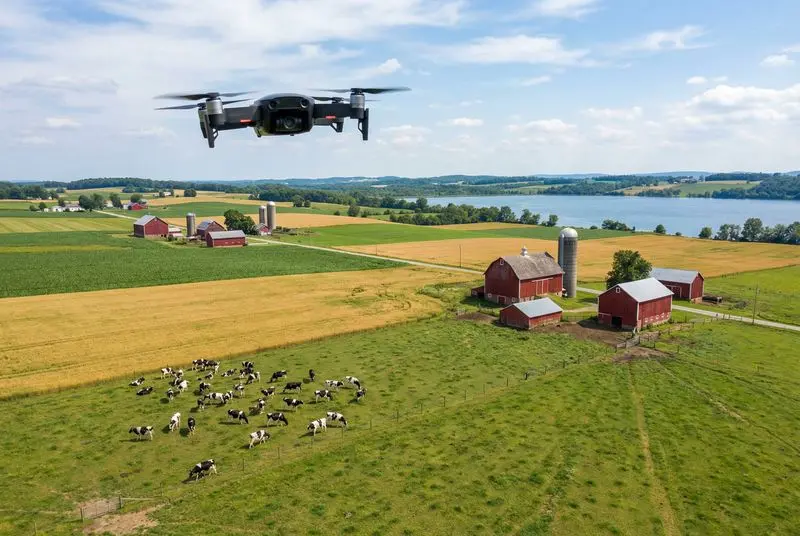
It is important to remember that all drone operations in Wisconsin are subject to federal regulations established by the Federal Aviation Administration (FAA). These rules provide the foundation for safe and legal drone flights across the entire United States. Both commercial and recreational pilots must be familiar with these requirements.
Recreational and Commercial Drone Operations
The FAA has distinct rules for two main categories of drone pilots: recreational flyers and commercial operators. Recreational flying is defined as operating a drone purely for personal enjoyment and interest. In contrast, commercial operations encompass any drone flight that is in furtherance of a business or for compensation, including services like aerial photography, real estate videography, or infrastructure inspection.
Key Federal Regulations
Here are some of the most important federal drone laws that all pilots in Wisconsin must follow:
- Registration: Drones weighing more than 0.55 pounds (250 grams) must be registered with the FAA. The registration number must be displayed on the exterior of the aircraft. Registration can be completed online through the FAA DroneZone website. [1]
- Remote ID: As of September 16, 2023, most drones are required to broadcast Remote ID information. This technology acts as a digital license plate, providing information about the drone’s location and operator. There are exceptions for drones flown within FAA-Recognized Identification Areas (FRIAs). [2]
- The Recreational UAS Safety Test (TRUST): All recreational flyers must pass The Recreational UAS Safety Test (TRUST) and be able to provide proof of passing upon request. This free online test covers basic safety and regulatory knowledge. [3]
- Part 107 Certification: Commercial drone pilots must obtain a Remote Pilot Certificate by passing the FAA’s Part 107 Aeronautical Knowledge Test. This certification demonstrates a deeper understanding of airspace, weather, and operational procedures. [4]
- Altitude and Line of Sight: Drones must be flown at or below 400 feet above ground level and must remain within the pilot’s visual line of sight (VLOS) at all times. A visual observer can be used to assist the pilot, but the pilot must still be able to see the drone with their own eyes.
- Airspace Authorization: Flying in controlled airspace (Class B, C, D, and E) requires authorization. This is typically obtained through the Low Altitude Authorization and Notification Capability (LAANC) system, which provides near real-time approvals for flights in many areas. Authorizations can also be requested through the FAA DroneZone portal. [5]
For the most current and detailed information on federal drone regulations, pilots should always consult the official FAA website and utilize resources like the B4UFLY app to check airspace restrictions before every flight. [6]
Wisconsin-Specific Drone Laws
Beyond the federal regulations, the state of Wisconsin has enacted its own laws that govern the use of drones within its borders. These statutes address specific concerns related to privacy, public safety, and the protection of wildlife. It is essential for all drone operators in Wisconsin to be aware of and comply with these state-level rules.
Restrictions on Drone Use
Wisconsin law places several key restrictions on how and where drones can be operated. These laws are designed to prevent the misuse of drones and protect the rights and safety of the public.
-
Weaponized Drones: It is a Class H felony in Wisconsin to operate a drone that is equipped with a weapon. This law, outlined in Wisconsin Statute 941.292, does not apply to members of the U.S. armed forces or the national guard who are acting in their official capacity. [7]
-
Interference with Hunting, Fishing, or Trapping: Under Wisconsin Statute 29.083, it is illegal to use a drone to interfere with lawful hunting, fishing, or trapping activities. This includes using a drone to harass wild animals, impede or obstruct hunters, or disturb hunting blinds or bait. [8]
-
Privacy Protections: Wisconsin law provides strong protections against the use of drones for surveillance. Wisconsin Statute 942.10 makes it a Class A misdemeanor to use a drone with the intent to photograph, record, or otherwise observe an individual in a location where they have a reasonable expectation of privacy. This law does not apply to law enforcement officers who are authorized to use a drone in accordance with Wisconsin Statute 175.55. [9]
Regulations for State and Local Government Use
Wisconsin has also established rules governing the use of drones by law enforcement and other government agencies. Wisconsin Statute 175.55 outlines the specific circumstances under which a law enforcement agency can use a drone, such as with a warrant, to counter a terrorist attack, or to prevent imminent harm to life. The statute also requires law enforcement agencies to develop and maintain a publicly available policy on their use of drones.
Drone Operations Over Correctional Facilities
Wisconsin Statute 301.48 prohibits the operation of a drone over a state correctional institution. This law is in place to maintain security and prevent the introduction of contraband into these facilities.
Local and City Regulations
In addition to federal and state laws, drone pilots in Wisconsin should be aware that local municipalities may have their own ordinances regarding drone use. While Wisconsin state law does not explicitly prevent local governments from creating their own drone rules, these local ordinances cannot conflict with federal or state regulations. It is always a good practice to check for any local rules before flying in a new area.
Notable Local Ordinances
Several cities and counties in Wisconsin have established specific rules for drone operations within their jurisdictions. Here are a few examples:
-
Milwaukee County: The Milwaukee County Parks system has a specific ordinance (Chapter 47.08) that governs the use of drones in its parks. While drones are generally allowed, they may not be flown within 50 feet of park buildings, pavilions, or other structures. It is also prohibited to take off or land a drone in a way that causes damage to park property.
-
City of Madison: The City of Madison has an ordinance (25.19) that prohibits the operation of drones in city parks without a permit from the Parks Superintendent. This rule is in place to ensure the safety and enjoyment of all park visitors.
-
Greenfield: The City of Greenfield has an ordinance that places restrictions on drone flights near public gatherings and emergency response activities.
-
Outagamie County: Outagamie County has an ordinance that regulates drone use on airport grounds.
These are just a few examples, and other municipalities may have their own drone regulations. Drone pilots should always check the local ordinances for the specific area where they plan to fly.
Where You Can and Can’t Fly in Wisconsin
Navigating the skies of Wisconsin requires an awareness of the various locations where drone flights are restricted or prohibited. These rules are in place to protect sensitive areas, ensure public safety, and prevent interference with other activities. Always check for local restrictions and use the FAA’s B4UFLY app before every flight to ensure you are operating in a permitted area. [6]
Restricted Airspace
-
State Parks and Forests: As a general rule, flying a drone in Wisconsin’s state parks, state recreation areas, state natural areas, and state forests is prohibited. According to Wisconsin Administrative Code NR 45.04, flying-related activities, including the use of uncrewed aircraft systems, are restricted to areas specifically designated by the Department of Natural Resources (DNR). You should check with the specific park or forest for any designated drone-flying areas before planning a flight. [10]
-
National Parks: The National Park Service has banned the use of drones in all national parks across the country, including those in Wisconsin, such as the Apostle Islands National Lakeshore. This ban is in place to protect wildlife and preserve the natural experience for visitors.
-
Airports and Heliports: Flying a drone near an airport or heliport is subject to strict regulations. The airspace around airports is typically controlled, and pilots must obtain authorization through LAANC or the FAA DroneZone before flying in these areas. It is crucial to maintain a safe distance from all manned aircraft.
-
Military Installations: Operating a drone near a military installation is generally prohibited. These areas are often designated as restricted airspace, and unauthorized flights can pose a significant security risk.
-
Stadiums and Sporting Events: The FAA implements Temporary Flight Restrictions (TFRs) over stadiums and other large sporting events. Flying a drone within the area of a TFR is illegal and can result in significant penalties.
-
Critical Infrastructure: Be cautious when flying near critical infrastructure, such as power plants, water treatment facilities, and correctional institutions. As mentioned earlier, flying over a state correctional institution is explicitly prohibited by Wisconsin law. [11]
Penalties and Enforcement
Violating federal, state, or local drone laws can result in significant penalties, including substantial fines and, in some cases, criminal charges. Both the FAA and Wisconsin state authorities have the power to enforce these regulations to ensure the safety and security of the national airspace and the public.
Federal Penalties
The FAA has a robust enforcement program and can impose stiff penalties for violations of its regulations. Fines can vary depending on the severity of the offense, but they can be substantial:
- Civil Penalties: The FAA can issue fines ranging from $1,771 to $36,770 per violation for infractions such as flying in restricted airspace, operating without proper certification, or flying in a reckless manner. [12]
- Criminal Penalties: In more serious cases, such as intentionally endangering an aircraft, criminal charges can be brought, which may result in imprisonment.
State-Level Penalties
Violations of Wisconsin’s state-specific drone laws also carry penalties:
- Weaponized Drones: Operating a weaponized drone is a Class H felony under Wisconsin Statute 941.292, which can result in significant prison time and fines. [7]
- Privacy Violations: Using a drone to illegally photograph or record someone in a place where they have a reasonable expectation of privacy is a Class A misdemeanor under Wisconsin Statute 942.10. [9]
- Interference with Hunting: Violating the statute that prohibits interference with lawful hunting, fishing, or trapping can lead to civil action, including injunctions and damages, as outlined in Wisconsin Statute 29.083. [8]
Tips for Staying Compliant
Navigating the various layers of drone regulations can seem daunting, but following a few simple best practices can help ensure that your flights are always safe and legal. By being a responsible and informed pilot, you can enjoy all that drone technology has to offer while respecting the safety and privacy of others.
- Check B4UFLY Before Every Flight: The FAA’s B4UFLY app is an important tool for every drone pilot. It provides real-time information on airspace restrictions, TFRs, and other important advisories. Make it a habit to check the app before launching your drone, even if you are familiar with the area. [6]
- Register Your Drone: If your drone weighs more than 0.55 pounds, you must register it with the FAA. Keep your registration information current and make sure the registration number is clearly marked on the outside of your drone. [1]
- Get Certified: If you are flying for any reason other than pure recreation, you must obtain a Part 107 Remote Pilot Certificate. For recreational flyers, completing the TRUST test is a requirement. Always carry your certification with you when you fly. [3] [4]
- Respect Privacy and Property Rights: Be mindful of the privacy of others. Avoid flying over private property without permission, and never use your drone to photograph or record people in places where they have a reasonable expectation of privacy. [9]
- Check Local Ordinances: Before flying in a new city or county, take a few minutes to check for any local drone ordinances. A quick search on the municipality’s website can save you from an unintentional violation.
- Maintain Visual Line of Sight: Always keep your drone within your visual line of sight. This is a fundamental rule of safe drone operation and helps you to remain aware of your drone’s position and any potential hazards.
Helpful Resources
- FAA DroneZone
- B4UFLY App
- Wisconsin State Legislature – Statutes
- Wisconsin Department of Natural Resources
- Drone Launch Academy Part 107 Course
References
[1]: FAA DroneZone. (n.d.). Federal Aviation Administration. Retrieved March 17, 2026, from https://faadronezone.faa.gov/#/
[2]: Remote ID. (n.d.). Federal Aviation Administration. Retrieved March 17, 2026, from https://www.faa.gov/uas/getting_started/remote_id
[3]: The Recreational UAS Safety Test (TRUST). (n.d.). Federal Aviation Administration. Retrieved March 17, 2026, from https://www.faa.gov/uas/recreational_flyers/trust
[4]: Part 107. (n.d.). Federal Aviation Administration. Retrieved March 17, 2026, from https://www.faa.gov/uas/commercial_operators
[5]: Low Altitude Authorization and Notification Capability (LAANC). (n.d.). Federal Aviation Administration. Retrieved March 17, 2026, from https://www.faa.gov/uas/programs_partnerships/data_exchange
[6]: B4UFLY. (n.d.). Federal Aviation Administration. Retrieved March 17, 2026, from https://www.faa.gov/uas/getting_started/b4ufly
[7]: Wisconsin Legislature: 941.292. (n.d.). Wisconsin State Legislature. Retrieved March 17, 2026, from https://docs.legis.wisconsin.gov/statutes/statutes/941/iii/292
[8]: Wisconsin Legislature: 29.083. (n.d.). Wisconsin State Legislature. Retrieved March 17, 2026, from https://docs.legis.wisconsin.gov/statutes/statutes/29/ii/083
[9]: Wisconsin Legislature: 942.10. (n.d.). Wisconsin State Legislature. Retrieved March 17, 2026, from https://docs.legis.wisconsin.gov/statutes/statutes/942/10
[10]: Wisconsin Legislature: Chapter NR 45. (n.d.). Wisconsin State Legislature. Retrieved March 17, 2026, from https://docs.legis.wisconsin.gov/code/admin_code/nr/001/45
[11]: Wisconsin Legislature: 301.48. (n.d.). Wisconsin State Legislature. Retrieved March 17, 2026, from https://docs.legis.wisconsin.gov/statutes/statutes/301/V/48
[12]: FAA Enforcement. (n.d.). Federal Aviation Administration. Retrieved March 17, 2026, from https://www.faa.gov/about/initiatives/uas/enforcement
← Back to Drone Laws by State Directory
Disclaimer: Drone laws are constantly evolving. While we strive to keep this guide updated, you should always verify local ordinances and check the FAA B4UFLY app before flying. This page is for educational purposes and does not constitute legal advice.
Sources: FAA UAS | NCSL State Drone Law Landscape | FAA Remote ID | FAA Part 107