
Drone Laws in Maryland
Your complete 2026 guide to flying drones legally in Maryland.
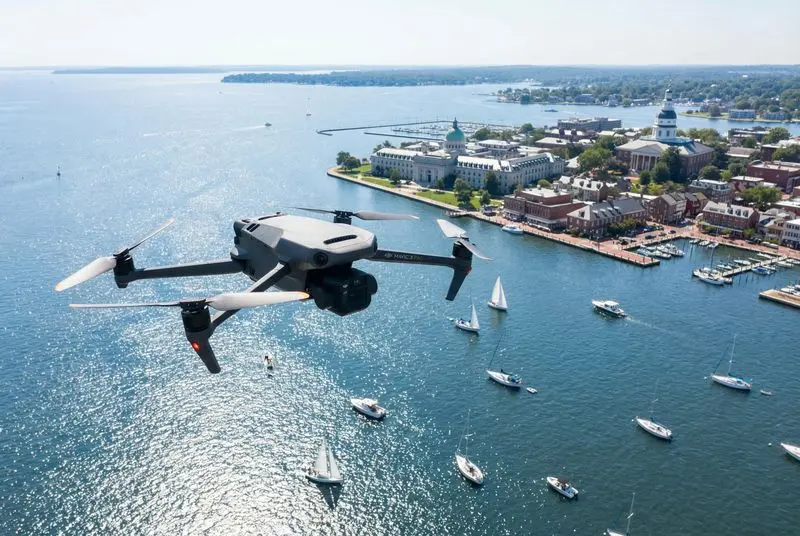
Navigating the skies with a drone in Maryland offers impressive views, from the Chesapeake Bay to the Appalachian Mountains. However, before you launch your drone, it’s crucial to understand the regulations that govern its use.This guide provides an overview of everything you need to know to fly your drone in Maryland, ensuring you can focus on capturing notable footage while respecting privacy and public safety. The drone industry is rapidly evolving, and with it, the laws and regulations that govern it. Staying informed is not just about avoiding fines; it’s about being a responsible member of the aviation community and ensuring the safety of those around you. Maryland’s unique geography, from its coastal areas to its urban centers, presents a variety of flying environments, each with its own set of considerations.We will explore where you can and can’t fly, the penalties for non-compliance, and provide helpful resources to ensure you are always up-to-date. Understanding these rules is the first step to becoming a responsible and respected drone pilot in Maryland.
Federal Drone Laws That Apply in Maryland
The Federal Aviation Administration (FAA) has established a set of regulations for all drone operators in the United States, which are fully applicable in Maryland. These rules are designed to ensure the safety of the national airspace for everyone. They are divided into two main categories: recreational and commercial use.
For Recreational Flyers:
If you are flying your drone for fun, you must follow the FAA’s guidelines for recreational flyers. These include:
- Register Your Drone: If your drone weighs more than 0.55 pounds (250 grams), you must register it with the FAA through the DroneZone website. The registration costs $5 and is valid for three years. Your registration number must be visible on the exterior of your drone.
- Take The Recreational UAS Safety Test (TRUST): All recreational flyers must pass the TRUST exam. This is a free online test that provides education and testing on safety and regulatory information. You must be able to provide proof of passing the test if asked by law enforcement.
- Fly Within Visual Line of Sight (VLOS): You must always be able to see your drone with your own eyes, without the aid of binoculars or other devices.
- Follow Altitude and Airspace Restrictions: Do not fly above 400 feet in uncontrolled airspace (Class G). In controlled airspace (Class B, C, D, and E), you must obtain authorization through LAANC or DroneZone before flying.
- Respect No-Fly Zones: Never fly near other aircraft, especially near airports, or in restricted airspace such as military bases or national parks.
- Use the B4UFLY App: The FAA’s B4UFLY mobile app is an essential tool for every drone pilot. It provides real-time information about airspace restrictions and other flying advisories.
For Commercial Pilots:
If you are operating a drone for any business purpose, you must follow the FAA’s Part 107 regulations. This includes:
- Obtain a Remote Pilot Certificate: You must pass the FAA’s Part 107 Aeronautical Knowledge Test to become a certified commercial drone pilot.
- Register Your Drone: All commercial drones must be registered with the FAA, regardless of weight.
- Follow all Part 107 Operational Rules: These rules are more comprehensive than the recreational rules and cover topics such as flying over people, at night, and from a moving vehicle. Waivers are available for certain operations.
Remote ID
As of September 16, 2023, most drones are required to have Remote ID capabilities. This technology broadcasts identification and location information about the drone and its control station. This rule enhances safety and security by allowing the FAA, law enforcement, and other federal agencies to identify drones flying in their jurisdiction.
Maryland-Specific Drone Laws
While the FAA governs the skies, the state of Maryland has also enacted laws that affect drone pilots. A key piece of legislation to be aware of is MD Code, Economic Development § 14-301. This statute establishes that the state government has the exclusive authority to enact laws and regulations regarding the use of drones. This is known as preemption, and it means that municipalities and other local governments in Maryland are generally prohibited from creating their own, more restrictive drone ordinances. This preemption is a significant factor for drone pilots in Maryland, as it simplifies the legal landscape. Unlike in some other states where pilots must navigate a patchwork of local rules, in Maryland, the state-level regulations are the primary source of non-federal law. This makes it easier for both recreational and commercial pilots to understand their obligations and fly with confidence throughout the state.
State-Level Drone Regulations
Here are some of the key state-level regulations and proposed laws to be aware of:
- Use of Drones by Law Enforcement: House Bill 471 (2026) proposes to regulate the use of unmanned aircraft by state and local governments. The bill, if passed, would make evidence gathered by a drone inadmissible in court in most cases and would prohibit government agencies from using drones for surveillance without a warrant. While this bill is not yet law, it indicates a legislative focus on privacy and the use of drones by authorities.
- Critical Infrastructure: Maryland law prohibits the use of drones to disrupt or interfere with a “critical facility.” This includes locations such as power plants, refineries, and chemical facilities. Flying over or near these areas could result in significant penalties.
- State Parks: The Maryland Department of Natural Resources (DNR) has specific rules for drone use in state parks. Generally, a permit is required, and operations may be restricted to certain areas or times of the year to protect wildlife and ensure the enjoyment of other park visitors. For example, at Sandy Point State Park, drone use is only permitted outside of the peak season (before Memorial Day and after Labor Day). Always check with the specific park office before flying.
Local and City Regulations
Due to Maryland’s state preemption law, there are very few local drone ordinances. However, some municipalities may have rules regarding the use of parks and other public spaces. For example, in Baltimore City, it is prohibited to fly model airplanes or drones in city parks except in areas specifically designated for that purpose. It is always a good practice to check with the local parks and recreation department for any specific rules before flying.
Where You Can and Can’t Fly in Maryland
In addition to the specific state and local rules, there are general no-fly zones that apply everywhere in Maryland:
- National Parks: The National Park Service has banned the use of drones in all national parks, including Antietam National Battlefield and the C&O Canal National Historical Park.
- Airports: Do not fly within five miles of an airport without proper authorization.
- Military Installations: Maryland is home to several military bases, including Fort Meade and Patuxent River Naval Air Station. These are all no-fly zones.
- Stadiums and Sporting Events: The FAA prohibits drone flights over stadiums and other large sporting events.
Popular Flying Locations
For those looking for safe and legal places to fly, here are a few suggestions:
- Southwest Area Park Model Air Flying Field: Located in Baltimore County, this park has a designated field for model aircraft and drones.
- Lake Montebello: This scenic lake in Baltimore offers beautiful views, but be sure to check for any local restrictions before flying.
- Catoctin Creek Nature Center: Located in Frederick County, this park is one of the few that explicitly allows drone operations in designated areas.
Penalties and Enforcement
Violating drone laws in Maryland can result in significant penalties from both the FAA and state authorities.
- Federal Penalties: The FAA can impose fines ranging from $1,771 to $36,770 per violation for unsafe drone operations. Criminal penalties, including imprisonment, are also possible for endangering aircraft.
- State Penalties: Violating state laws, such as those related to critical infrastructure or privacy, can also lead to fines and other legal consequences.
Tips for Staying Compliant
- Always check the B4UFLY app before you fly.
- Register your drone and carry proof of registration with you.
- Obtain your TRUST certificate (recreational) or Part 107 license (commercial).
- Respect the privacy of others.
- Keep your drone within your visual line of sight.
- Check with local authorities and park officials for any specific rules.