
Drone Laws in Michigan
Your complete 2026 guide to flying drones legally in Michigan.
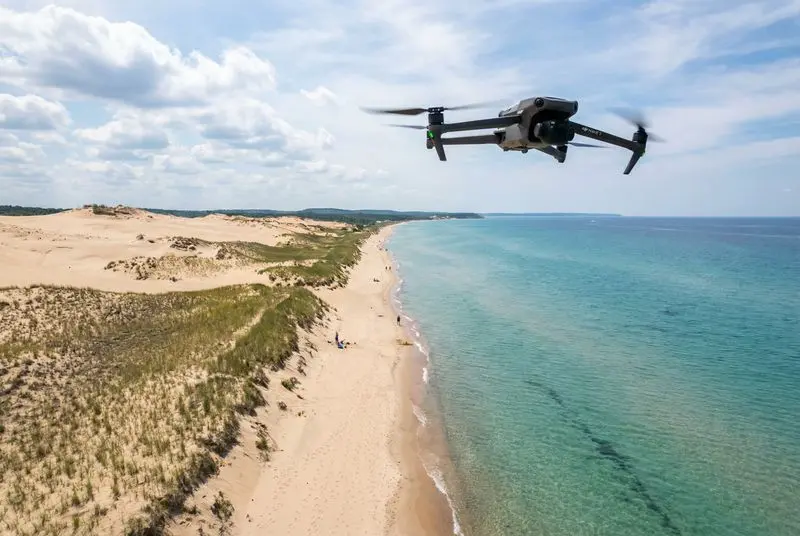
Michigan, with its notable Great Lakes coastlines, dense forests, and iconic cities, presents a impressive canvas for drone pilots.However, the freedom to fly comes with the responsibility to understand and adhere to a multi-layered legal framework. This guide is your essential resource for navigating the drone laws in Michigan, ensuring your flights are not only spectacular but also safe and fully compliant with federal, state, and local regulations.
For both recreational and commercial drone operators, a clear understanding of the rules is important. The legal landscape is constantly evolving, with new technologies and public interest shaping the regulations. This comprehensive guide for 2026 breaks down everything you need to know, from the foundational FAA rules that govern all U.S. airspace to the specific statutes enacted by the Michigan Legislature. We will cover where you can and cannot fly, the potential penalties for violations, and practical tips to keep you on the right side of the law. Our goal is to give you the information to fly with confidence and respect for the safety, privacy, and beauty of Michigan.
Federal Drone Laws That Apply in Michigan
Before exploring Michigan’s specific statutes, it’s crucial to recognize that all drone operations fall under the jurisdiction of the Federal Aviation Administration (FAA). These federal regulations provide a national standard for safety and accountability in the skies.
-
FAA Drone Registration: A cornerstone of FAA oversight is the requirement to register any drone weighing more than 0.55 pounds (250 grams). This simple process, completed through the FAA DroneZone website, costs $5 and is valid for three years. Upon registration, you will receive a unique registration number that must be displayed on the exterior of your drone. This system helps ensure accountability and allows authorities to trace a drone back to its owner.
-
Remote ID Implementation: A significant recent development is the mandatory implementation of Remote ID, which became effective on September 16, 2023. Often referred to as a
‘digital license plate,’ Remote ID requires most drones to broadcast identification and location information during flight. This technology enhances safety and security by allowing the FAA, law enforcement, and other federal agencies to identify drones flying in their jurisdiction. For a detailed understanding, visit the FAA’s Remote ID page. -
Part 107 for Commercial Operations: Any flight that is not strictly for recreational purposes is considered a commercial operation and must comply with the FAA’s Part 107 rules. This includes activities like real estate photography, infrastructure inspection, or agricultural surveying. To become a Part 107 certified pilot, you must be at least 16 years old, pass an aeronautical knowledge test, and obtain a Remote Pilot Certificate from the FAA.
-
TRUST for Recreational Flyers: For hobbyists flying purely for enjoyment, the FAA has streamlined the process. Recreational flyers are required to take and pass The Recreational UAS Safety Test (TRUST). This free, online test covers essential safety guidelines and best practices. You must be able to present proof of passing the TRUST test if asked by law enforcement.
-
Fundamental Flight Rules: All drone pilots, regardless of whether they are flying for fun or for work, must adhere to a set of fundamental flight rules to ensure the safety of the national airspace:
- Maintain a maximum altitude of 400 feet above ground level.
- Always keep the drone within your visual line of sight.
- Obtain authorization before flying in controlled airspace (Classes B, C, D, and E) using systems like LAANC or the FAA DroneZone.
- Yield the right of way to all manned aircraft.
- Never operate a drone in a reckless manner.
To ensure you are always up-to-date with the latest federal regulations and to check for any airspace restrictions at your intended flight location, You should use the B4UFLY app before every flight.
Michigan-Specific Drone Laws
While federal law provides the overarching framework, Michigan has established its own set of regulations to address specific state-level concerns. The most significant piece of legislation is the Unmanned Aircraft Systems Act (2016 PA 436). This act is particularly noteworthy for its preemption clause, which standardizes drone regulation across the state by preventing local governments from enacting their own, more restrictive ordinances. This creates a more predictable legal environment for drone operators.
The key provisions of Michigan’s state drone laws include:
-
Prohibition on Harassment: Under MCL 259.322, it is a misdemeanor to use a drone to harass another person. The statute defines harassment broadly, encompassing any conduct that would cause a reasonable person to feel terrorized, frightened, intimidated, or threatened.
-
Restrictions on Hunting and Fishing: The use of drones for hunting or fishing is strictly prohibited. MCL 324.40111c makes it illegal to use a drone to take or assist in the taking of game or fish. This law is intended to preserve the principles of fair chase in wildlife sports.
-
Sex Offender Limitations: The law places specific restrictions on registered sex offenders, prohibiting them from using a drone to follow, contact, or photograph a minor.
It is also important for drone pilots in Michigan to be aware of the ongoing legislative developments. As of early 2026, the Michigan Legislature is considering a package of bills aimed at enhancing the security of critical infrastructure by regulating drone flights in their vicinity. While these bills, such as House Bills 5326 and 5328, have not yet been enacted into law, they signal a potential for more stringent regulations in the future. Staying informed about these legislative efforts is crucial for all drone operators in the state.
Local and City Regulations
One of the most significant advantages of flying a drone in Michigan is the state’s preemption law, which limits the ability of local municipalities to create their own drone ordinances. This means you are less likely to encounter a confusing patchwork of rules as you travel across the state. However, this preemption does not apply to all entities. Certain bodies, such as universities, airport authorities, and park commissions, may have the authority to establish their own policies for drone use on the property they manage. For instance, the University of Michigan has a policy that generally prohibits drone operations on its campus without prior written permission. Therefore, it is always a good practice to check for any specific rules or policies at your intended flight location, especially if it is a park, university campus, or other managed property.
Where You Can and Can’t Fly in Michigan
Knowing where you are and are not allowed to fly is one of the most critical aspects of responsible drone operation. Here’s a breakdown of the key locations to be aware of in Michigan:
-
State Parks: Michigan’s beautiful state parks are generally open to drone flights. However, the Department of Natural Resources (DNR) has the authority to issue land use orders that can restrict drone takeoffs and landings in specific areas to protect wildlife, natural resources, or public safety. A notable example is the area around the viewing platforms at Tahquamenon Falls State Park, where drone use is restricted. Always look for posted signs and check the park’s official website for any specific drone policies before you fly.
-
National Parks: In contrast to state parks, all National Parks are designated as no-fly zones for drones. This includes Michigan’s notable Isle Royale National Park. The National Park Service has a nationwide ban on the use of drones to protect wildlife and preserve the natural experience for visitors.
-
Airports and Controlled Airspace: The airspace around airports is tightly controlled to ensure the safety of manned aircraft. As a drone pilot, you must not fly within five miles of an airport without first obtaining authorization through the FAA’s LAANC system or the DroneZone portal.
-
Military Installations: For security reasons, flying drones near military bases is heavily restricted. These areas are often covered by Temporary Flight Restrictions (TFRs), which you can find on the B4UFLY app.
-
Stadiums and Sporting Events: The FAA prohibits drone flights over stadiums and other large outdoor venues during sporting events. This is a nationwide rule that applies to all major league and college sports.
Penalties and Enforcement
Non-compliance with drone laws can lead to serious consequences. The FAA has the authority to levy significant civil penalties, with fines ranging from $1,771 to $36,770 per violation. In addition to FAA enforcement, violating Michigan’s state drone laws can result in misdemeanor charges, fines, and even imprisonment, particularly in cases involving harassment, voyeurism, or other criminal activities. It is crucial to understand that ignorance of the law is not a defense, and the responsibility for flying legally rests squarely on the shoulders of the drone operator.
Tips for Staying Compliant
To ensure your drone flights in Michigan are always safe and legal, follow these essential tips:
- Embrace B4UFLY: Make the B4UFLY app your pre-flight checklist. It provides real-time information on airspace restrictions and other potential hazards.
- Stay Current with Registration and Certification: Ensure your drone is properly registered with the FAA and that you have the necessary credentials, whether it’s your TRUST completion certificate for recreational flying or your Part 107 certificate for commercial work.
- Fly with Respect for Privacy: Avoid flying over private property without the owner’s consent, and never use your drone to capture images or videos of people in places where they have a reasonable expectation of privacy.
- Be Aware of Your Surroundings: Always be mindful of other people, aircraft, and potential hazards in your flight area.
- Maintain Visual Line of Sight: It is a fundamental rule of drone safety to keep your aircraft within your visual line of sight at all times.