
Drone Laws in Nevada
Your complete 2026 guide to flying drones legally in Nevada.
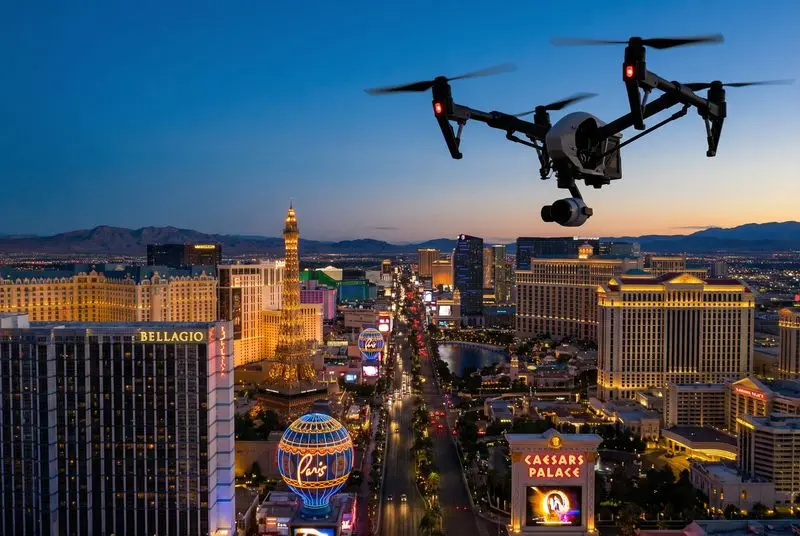
Navigating the skies of Nevada with a drone requires a clear understanding of the rules that govern its use.The drone laws in Nevada are a mix of federal guidelines from the FAA and specific state statutes that address issues like privacy and the operation of drones by public agencies.We will then cover the specific laws passed by the Nevada Legislature, explore local ordinances in major cities, and clarify the rules for flying in state parks and other sensitive locations. By understanding these regulations, both hobbyist and professional pilots can ensure they are operating their drones responsibly and avoiding potential penalties.
Federal Drone Laws That Apply in Nevada
The Federal Aviation Administration (FAA) has established a set of rules that apply to all drone operators in the United States, regardless of the state they are in. These regulations form the baseline for safe and legal drone operation. In Nevada, as in all other states, you must adhere to these federal laws.
For commercial drone pilots, this means operating under the FAA’s Small UAS Rule (Part 107). This requires pilots to obtain a Remote Pilot Certificate from the FAA, which involves passing an aeronautical knowledge test. Commercial operations include any flight for business purposes, such as real estate photography, inspections, or providing any service for compensation.
Recreational flyers are not exempt from FAA oversight. If you are flying for fun, you must take and pass The Recreational UAS Safety Test (TRUST). This is a free online test that provides education on drone safety and regulations. Additionally, all drones weighing more than 0.55 pounds (250 grams) must be registered with the FAA in the DroneZone, and the registration number must be displayed on the exterior of the aircraft. All registered drones are also required to comply with Remote ID regulations, which act as a digital license plate for your drone.
Key federal regulations for all pilots include:
- Maintaining your drone within visual line of sight (VLOS).
- Flying at or below 400 feet in uncontrolled airspace (Class G).
- Obtaining authorization to fly in controlled airspace (Classes B, C, D, and E) through LAANC or DroneZone.
- Giving way to manned aircraft.
- Not flying over people or moving vehicles (some exceptions apply under Part 107).
- Not operating a drone in a reckless manner.
Resources like the B4UFLY app are essential tools for all pilots to check for airspace restrictions and other advisories before every flight.
Nevada-Specific Drone Laws
While the FAA governs the skies, the Nevada Legislature has enacted specific laws that address drone operations within the state. These laws primarily focus on privacy, trespass, and the use of drones by law enforcement and other public agencies.
One of the most significant state laws for drone operators is NRS 493.103, which deals with trespass by drone. This statute allows a property owner to bring a civil action against a drone operator for flying less than 250 feet over their property. However, for a trespass claim to be valid, the property owner must have previously notified the drone operator that they are not authorized to fly over the property. This law provides a clear legal remedy for property owners concerned about low-altitude drone flights over their land. [1]
Another key piece of legislation is SB11, which was passed in 2023 and is now codified in various sections of the Nevada Revised Statutes. This law primarily regulates the use of drones by public agencies. It mandates that the Department of Public Safety establish rules for how agencies like law enforcement can use drones. A significant provision of this law, effective January 1, 2025, prohibits public agencies from purchasing or using drones manufactured in certain foreign countries. The law also amends NRS 493.112 to require a warrant for law enforcement to use a drone to gather evidence in a place where a person has a reasonable expectation of privacy, with some exceptions. [2]
Local and City Regulations
In addition to state laws, drone pilots in Nevada must be aware of local ordinances that can vary from city to city and county to county. These local rules often pertain to flying in parks and other public spaces.
In Las Vegas, the city government encourages drone operators to follow all FAA regulations and to be mindful of the complex airspace around the city. While there isn’t a specific city ordinance banning drones, their use is restricted in certain areas, and pilots are expected to operate with a high degree of caution. For any commercial filming, including with a drone, a permit is required.
In Clark County, where Las Vegas is located, the use of drones is prohibited in all county parks unless a special permit is obtained, or the area is specifically designated for drone use. This is a common type of regulation in many municipalities, aimed at ensuring the safety and enjoyment of public parks for everyone.
Similarly, the rules for Reno and other municipalities often restrict drone use in parks and near large public gatherings. It is always best to check with the local parks and recreation department for the specific rules in the area you intend to fly.
Regarding Nevada State Parks, the use of drones is generally prohibited. The Nevada Administrative Code (NAC 407) states that drones are not allowed in state parks unless in an area specifically designated for that use by a park supervisor or through the issuance of a special use permit. This rule applies to all state parks, including popular destinations like Valley of Fire and Lake Tahoe Nevada State Park. [3]
Where You Can and Can’t Fly in Nevada
Knowing where you can and cannot fly is one of the most important aspects of being a responsible drone pilot. In Nevada, the landscape is vast and varied, but so are the restrictions.
National Parks: The National Park Service has banned the use of drones in all national parks, and this includes Great Basin National Park in Nevada. This is a nationwide policy to protect wildlife and preserve the natural experience for visitors.
State Parks: As mentioned previously, drone use is prohibited in all Nevada State Parks without a special permit. This includes popular parks like Valley of Fire, Lake Tahoe Nevada State Park, and others.
Airports and Controlled Airspace: Nevada has several major airports, including Harry Reid International Airport (LAS) in Las Vegas and Reno-Tahoe International Airport (RNO). The airspace around these airports is controlled, and you must have FAA authorization through LAANC to fly within these areas. Always use the B4UFLY app to check for airspace restrictions before you fly.
Military Installations: Nevada is home to several large military installations, including Nellis Air Force Base and Naval Air Station Fallon. Flying a drone near these facilities is strictly prohibited and can result in serious penalties.
Stadiums and Sporting Events: The FAA implements Temporary Flight Restrictions (TFRs) over stadiums during major sporting events. It is illegal to fly a drone within a TFR.
Wilderness Areas: Many of the remote and beautiful areas of Nevada are designated as wilderness areas. The U.S. Forest Service and the Bureau of Land Management (BLM) manage these lands, and drone use is generally not permitted in designated wilderness areas to protect wildlife and the natural environment.
Penalties and Enforcement
Violating federal, state, or local drone laws can lead to significant penalties. The FAA has the authority to levy substantial fines for violations of its regulations. These fines can range from a few hundred dollars for minor infractions to tens of thousands of dollars for more serious offenses, especially those that endanger other aircraft or people on the ground.
At the state level, violating Nevada’s drone laws can also have consequences. For example, a drone operator found liable for trespass under NRS 493.103 could be required to pay treble damages for any injury caused. There can also be criminal penalties for using a drone for illegal surveillance or to harass wildlife.
Tips for Staying Compliant
- Check B4UFLY: Always use the B4UFLY app before every flight to check for airspace restrictions and other advisories.
- Register Your Drone: If your drone weighs more than 0.55 pounds, you must register it with the FAA.
- Get Certified: If you are flying for commercial purposes, you must have a Part 107 Remote Pilot Certificate. For recreational flying, you must have a TRUST certificate.
- Respect Privacy: Do not fly over private property without permission, and be mindful of people’s privacy.
- Check Local Rules: Before flying, check the local ordinances for the city or county you are in, especially regarding parks and public spaces.
- Maintain Visual Line of Sight: Keep your drone within your line of sight at all times.
Helpful Resources
References
[1] Nevada Revised Statutes § 493.103
[2] Nevada SB11 (2023)
[3] Nevada State Parks FAQ
← Back to Drone Laws by State Directory
Disclaimer: Drone laws are constantly evolving. While we strive to keep this guide updated, you should always verify local ordinances and check the FAA B4UFLY app before flying. This page is for educational purposes and does not constitute legal advice.
Sources: FAA UAS | NCSL State Drone Law Landscape | FAA Remote ID | FAA Part 107