
Drone Laws in Pennsylvania
Your complete 2026 guide to flying drones legally in Pennsylvania.
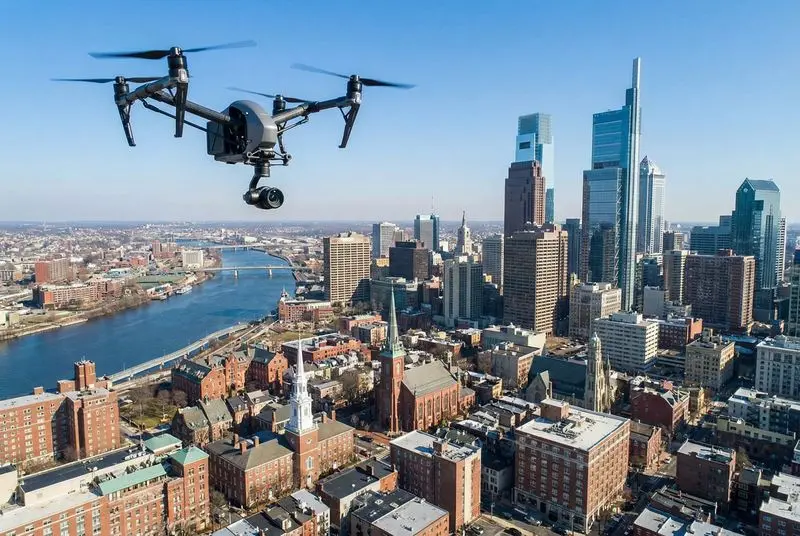
Drone Laws in Pennsylvania: What You Need to Know (2026 Guide)
Welcome to the skies of Pennsylvania! From the bustling cityscapes of Philadelphia and Pittsburgh to the rolling hills of the Appalachian Mountains and the dense forests of the Allegheny National Forest, Pennsylvania offers a diverse and scenic landscape for drone pilots.This comprehensive guide will walk you through everything you need to know, from the foundational federal regulations to the specific statutes enacted by the Commonwealth of Pennsylvania.
Navigating the legal framework for unmanned aircraft systems (UAS) can often feel like a complex and daunting task. However, this article is designed to simplify that process by breaking down the essential information for both commercial and recreational pilots. We will cover everything from the necessary registration and certification processes to the specific locations where you can and cannot fly. Our primary objective is to provide a clear, accessible, and up-to-date resource that will help you to operate your drone with confidence and a clear understanding of your responsibilities. By adhering to these guidelines, you can ensure that you are not only protecting yourself from potential penalties but also contributing to a safe and responsible drone community.
Federal Drone Laws That Apply in Pennsylvania
Before we cover the specific regulations enacted by the state of Pennsylvania, it is crucial to understand that all drone pilots in the United States are subject to the rules and regulations set forth by the Federal Aviation Administration (FAA). These federal laws provide the foundational framework for safe and standardized drone operation across the entire country. A thorough understanding of these federal requirements is the first and most important step for any drone pilot.
All drones weighing more than 0.55 pounds (250 grams) are required to be registered with the FAA through their official DroneZone website [1]. This registration process is straightforward and results in a unique registration number that must be displayed on the exterior of your drone. This registration is valid for a period of three years. Furthermore, as of September 16, 2023, the vast majority of drones are also required to broadcast Remote ID information [2]. This technology functions as a digital license plate for your drone, allowing authorities and other members of the public to identify drones in flight. This requirement is a significant step forward in enhancing the safety, security, and accountability of the national airspace.
Pennsylvania-Specific Drone Laws
In addition to the federal regulations, Pennsylvania has enacted its own set of laws that supplement the FAA’s rules. These state-level statutes primarily focus on issues of privacy, reckless operation, and the preemption of local ordinances. The most significant piece of legislation for drone pilots in Pennsylvania is Act 78 of 2018, which amended Title 18 (Crimes and Offenses) and Title 53 (Municipalities) of the Pennsylvania Consolidated Statutes [6].
This act explicitly makes it illegal to use a drone to conduct surveillance of another person in a private place where they have a reasonable expectation of privacy. It also prohibits the operation of a drone in a manner that places another person in reasonable fear of bodily injury. Both of these offenses are classified as summary offenses and are punishable by a fine of up to $300. The act also addresses the use of drones for more nefarious purposes, making it a felony of the second degree to use a drone to deliver contraband.
A particularly important aspect of Act 78 is its establishment of state preemption over local drone regulations. This means that municipalities, cities, and towns in Pennsylvania are generally prohibited from creating their own specific drone ordinances. This provision was designed to create a more uniform and consistent regulatory environment for drone pilots across the state, preventing a confusing patchwork of local rules. The only exception to this preemption is for political subdivisions that owned or operated an airport prior to the law’s effective date. It is also important to understand that these state-level restrictions do not apply to law enforcement officers who are acting within the scope of their official duties, nor do they apply to individuals and companies that are performing legitimate commercial services, such as licensed professionals, public utilities, and those who have been granted FAA exemptions for aerial data collection.
Local and City Regulations
As a direct result of Pennsylvania’s state preemption law, drone pilots are largely shielded from the complexities of navigating a many different local ordinances. This simplifies the process of flying in different parts of the state, as you generally do not have to worry about encountering a new set of rules every time you cross a municipal boundary. However, it is crucial to remember that local regulations that are not specifically targeted at drones may still apply to your operations. For example, general nuisance laws, noise ordinances, and local park rules could all have an impact on your ability to fly in certain areas. The City of Philadelphia, for instance, retains the authority to declare temporary “No Drone Zones” for large outdoor events, such as concerts, festivals, and parades [7]. Therefore, it is always a prudent and responsible practice to check for any local advisories, park regulations, or event-specific restrictions before you launch your drone.
Where You Can and Can’t Fly in Pennsylvania
Understanding where you can and cannot legally fly your drone is just as critical as knowing the rules of operation. The Pennsylvania Department of Conservation and Natural Resources (DCNR) has a specific policy regarding the use of drones in state parks. While the DCNR recognizes the growing popularity of drone photography and videography, it also has a responsibility to protect the natural resources and the experience of all park visitors. As such, the DCNR has designated six specific flying sites within certain state parks where drone use is permitted [8]. Flying in any other state park areas is generally prohibited. The National Park Service, which manages federal lands, has a much stricter policy, completely banning the use of drones in all national parks, including those located within Pennsylvania.
You must also be aware of the airspace surrounding airports and heliports. It is illegal to fly in the controlled airspace around these facilities without prior authorization. Be particularly mindful of the many hospitals and other facilities that have private heliports. Finally, You should avoid flying over or near any form of critical infrastructure. This includes, but is not limited to, prisons, military installations, and power plants. It is also important to remember that flying a drone near a major sporting event is strictly prohibited by the FAA through the use of Temporary Flight Restrictions (TFRs).
Penalties and Enforcement
Violating federal and state drone laws can lead to significant penalties, both financial and criminal. The FAA takes its enforcement responsibilities very seriously and has the authority to impose substantial fines for unsafe or unauthorized drone operations. These fines can range from $1,771 to as much as $36,770 per violation. In cases where a drone operation endangers a manned aircraft, criminal penalties are also a possibility. At the state level, the penalties are outlined in Act 78. As previously mentioned, using a drone for illegal surveillance or to recklessly endanger another person can result in a fine of up to $300. The use of a drone to deliver contraband is a far more serious offense and is classified as a felony.
Tips for Staying Compliant
To ensure that you are always flying safely, legally, and responsibly, You should develop a set of best practices that you follow for every flight. First and foremost, make it a habit to use the FAA’s B4UFLY app to check for any airspace restrictions or advisories before you take off. This app provides real-time information and is an invaluable tool for any drone pilot. Secondly, ensure that your drone is properly registered with the FAA and that you have the appropriate certification for your type of flying (TRUST for recreational pilots, Part 107 for commercial pilots). Thirdly, always be mindful of the privacy of others and make it a point to avoid flying over private property without obtaining permission from the owner. Finally, the world of drone technology and regulation is constantly evolving. Make an effort to stay informed about any changes in federal and state drone laws to ensure that you are always up-to-date and in compliance.
Helpful Resources
References
[1] FAA: Register Your Drone – https://www.faa.gov/uas/getting_started/register_drone
[2] FAA: Remote ID – https://www.faa.gov/uas/getting_started/remote_id
[3] FAA: Part 107 – https://www.faa.gov/uas/commercial_operators/
[4] FAA: The Recreational UAS Safety Test (TRUST) – https://www.faa.gov/uas/recreational_flyers/knowledge_test_updates
[5] FAA: LAANC – https://www.faa.gov/uas/programs_partnerships/data_exchange
[6] Pennsylvania General Assembly: Act 78 of 2018 – https://www.palegis.us/statutes/unconsolidated/law-information?sessYr=2018&sessInd=0&actNum=78
[7] City of Philadelphia: Drone Safety Information and Frequently Asked Questions – https://www.phila.gov/2018-09-28-city-of-philadelphia-and-faa-frequently-asked-drone-questions/
[8] Pennsylvania Department of Conservation and Natural Resources: Unmanned Aerial Systems (UAS) and Drones Use – https://www.dcnr.pa.gov/StateParks/RulesAndRegulations/Fad/Pages/default.aspx
← Back to Drone Laws by State Directory
Disclaimer: Drone laws are constantly evolving. While we strive to keep this guide updated, you should always verify local ordinances and check the FAA B4UFLY app before flying. This page is for educational purposes and does not constitute legal advice.
Sources: FAA UAS | NCSL State Drone Law Landscape | FAA Remote ID | FAA Part 107