
Drone Laws in Alabama
Your complete 2026 guide to flying drones legally in Alabama.
Welcome to our comprehensive guide to drone laws in Alabama for 2026.Alabama’s skies are open for drone operations, but a combination of federal, state, and local regulations governs where and how you can fly.
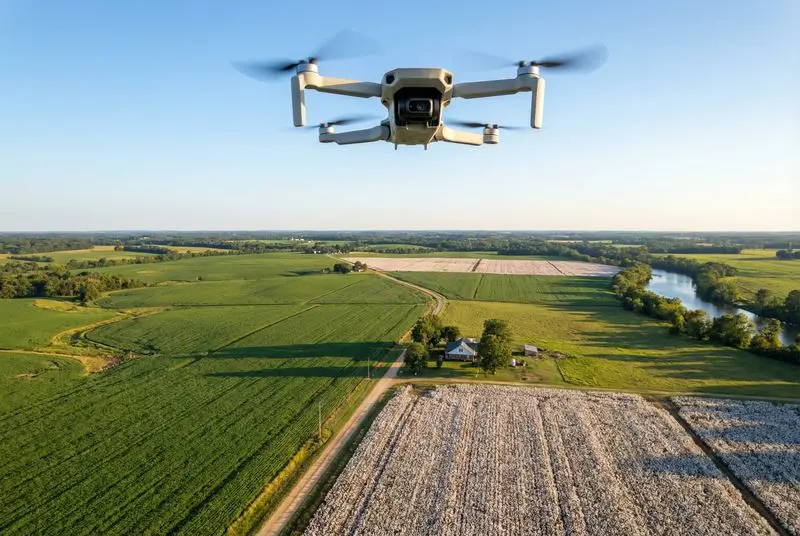
From FAA requirements that apply nationwide to specific Alabama statutes and local ordinances, we’ll cover the essential information for both recreational and commercial pilots. Our goal is to provide a clear, accessible resource that answers your questions and helps you stay on the right side of the law. As drone technology continues to evolve, so do the regulations, and staying informed is the best way to protect yourself and others while enjoying the unique perspective that drones offer.
Federal Drone Laws That Apply in Alabama
Registration and Remote ID
- Drone Registration: If your drone weighs more than 0.55 pounds (250 grams), you must register it with the FAA. Registration can be completed online at the FAA DroneZone and costs $5 for a three-year period. Your registration number must be clearly marked on the exterior of your drone.
- Remote ID: As of September 16, 2023, most drones requiring registration must also be equipped with Remote ID capabilities. This technology broadcasts identification and location information, acting as a digital license plate for your drone. This rule applies unless you are flying within an FAA-Recognized Identification Area (FRIA).
Pilot Requirements
- Recreational Pilots: If you are flying purely for enjoyment, you must pass The Recreational UAS Safety Test (TRUST). This is a free online test that provides you with a certificate that you must be able to produce if asked by law enforcement.
- Commercial Pilots: For any flight that is not strictly for recreation, including for business or in furtherance of a business, you must obtain a Remote Pilot Certificate by passing the FAA’s Part 107 exam. This certification demonstrates your knowledge of safe drone operations.
General Flight Rules
- Maximum Altitude: Fly your drone at or below 400 feet above ground level.
- Visual Line of Sight (VLOS): Keep your drone within your visual line of sight at all times, or use a visual observer who is co-located with you and in direct communication.
- Airspace Authorization: Before flying in controlled airspace (Class B, C, D, and E), you must obtain authorization through the Low Altitude Authorization and Notification Capability (LAANC) system or the FAA DroneZone.
- B4UFLY App: The FAA recommends using the B4UFLY app to check for airspace restrictions and other advisories before every flight.
Alabama-Specific Drone Laws
While the FAA governs the skies, Alabama has enacted its own laws that place further restrictions on drone operations within the state. These laws primarily focus on privacy, security, and the protection of critical infrastructure. It is essential for all pilots to be aware of these state-level statutes.
Drones Over Correctional Facilities
In 2024, Alabama passed Act 2024-222, codified as Alabama Code § 13A-7-91, which makes it a felony to operate a drone over or near a Department of Corrections facility. This law is aimed at preventing the use of drones to smuggle contraband into prisons or to conduct unauthorized surveillance.
Key Provisions of § 13A-7-91:
* It is illegal to operate a drone within a horizontal distance of 500 feet or a vertical distance of 200 feet from a correctional facility.
* Using a drone to photograph, record, or conduct surveillance of a correctional facility is also prohibited.
* A violation of this law is a Class C felony, carrying a minimum fine of $2,500 and a mandatory minimum sentence of 30 days in jail.
There are exceptions for law enforcement, the Department of Corrections itself, and other authorized personnel who have received prior written permission. You can read the full text of the law on the Justia website.
Drones Near Entertainment Venues
In early 2026, the Alabama Legislature considered HB 429, a bill designed to protect ticketed entertainment events, such as concerts and sporting events, from unauthorized drone flights. The bill addresses concerns about both public safety and the intellectual property rights of performers and event organizers.
Key Provisions of HB 429:
* The bill would make it illegal to operate an unmanned aircraft system within 400 feet of a ticketed entertainment event without permission from the event organizer or property owner.
* A first offense would result in a $500 fine, with subsequent offenses classified as a Class A misdemeanor, punishable by up to a year in jail.
This legislation highlights a growing trend of states taking action to regulate drone use in specific contexts to prevent disruptions and potential harm. Pilots should always be mindful of their surroundings and respect the rules of any venue they are near.
Local and City Regulations
Beyond state-level laws, drone pilots in Alabama must also be aware of local ordinances that can vary from one city or county to another. These local rules often pertain to parks, public property, and special events. It is crucial to check with the local authorities in the specific area you plan to fly.
City of Orange Beach
The City of Orange Beach has a detailed ordinance governing the use of drones within its jurisdiction. This is particularly relevant for tourists and locals who wish to capture the scenic beauty of the Gulf Coast.
Key Drone Rules in Orange Beach:
* Hobbyist Flights: Recreational drone use is prohibited on public property, including the popular beaches. Hobbyists are restricted to flying on their own private property or on property where they have explicit permission from the owner.
* Commercial Flights: All commercial drone operations require a Drone Use Permit from the city, in addition to a standard business license. This process involves submitting proof of FAA certification, liability insurance, and a detailed flight plan for approval.
Given the popularity of this tourist destination, these rules are strictly enforced to ensure the safety and privacy of residents and visitors alike. Other municipalities in Alabama may have similar restrictions, so it is always best to research the specific city you are in before launching your drone.
Where You Can and Can’t Fly in Alabama
Navigating the skies of Alabama requires an awareness of areas where drone flights are restricted or prohibited. Beyond the general rules of the air, certain locations have specific limitations that pilots must respect to ensure safety and legality.
Restricted Airspace
- Airports: Do not fly your drone within five miles of an airport without first obtaining authorization through the LAANC system. This is a critical safety measure to prevent any interference with manned aircraft.
- Military Bases: Alabama is home to several military installations, including Maxwell Air Force Base and Fort Rucker. These are no-fly zones for drones, and any unauthorized flight in these areas can lead to serious consequences.
- National Parks: The National Park Service has a nationwide ban on the use of drones in all its parks. This includes sites in Alabama such as Horseshoe Bend National Military Park and the Tuskegee Airmen National Historic Site.
- Stadiums and Sporting Events: The FAA implements Temporary Flight Restrictions (TFRs) over stadiums during major sporting events. It is illegal to fly a drone within a three-mile radius of the stadium, from one hour before the event until one hour after.
State and Local Restrictions
- State Parks: While there is no statewide ban on drones in Alabama’s state parks, individual parks may have their own rules. It is always best to check with the park office before flying to ensure you are in compliance.
- Correctional Facilities: As detailed in Alabama Code § 13A-7-91, it is illegal to fly a drone within 500 feet horizontally or 200 feet vertically of any state correctional facility.
- Orange Beach: As a reminder, the city of Orange Beach prohibits hobbyist drone flights on its beaches and other public properties. Commercial pilots must obtain a permit.
Penalties and Enforcement
Violating drone laws in Alabama can lead to significant penalties, ranging from substantial fines to jail time. Both the FAA and the state of Alabama have established clear consequences for illegal drone operations, and enforcement is taken seriously.
Federal Penalties
The FAA has the authority to issue civil penalties for violations of its regulations. These fines can be substantial, depending on the severity of the offense. As of 2026, fines can range from $1,771 for minor infractions to as high as $36,770 per violation for more serious offenses. In cases where a drone operator knowingly or recklessly endangers the national airspace system, criminal penalties may also be pursued.
State-Level Penalties
Alabama’s state-specific laws also come with their own set of penalties:
- Flying Over Correctional Facilities: A violation of Alabama Code § 13A-7-91 is a Class C felony. This carries a minimum fine of $2,500 and a mandatory jail sentence of at least 30 days, which cannot be suspended or probated.
- Flying Near Entertainment Venues: The proposed HB 429 would establish a $500 fine for a first-time offense of flying a drone near a ticketed event. Subsequent violations would be considered a Class A misdemeanor, which is punishable by up to a year in jail.
These penalties underscore the importance of understanding and adhering to all applicable drone laws to avoid serious legal and financial consequences.
Tips for Staying Compliant
Staying compliant with drone laws is the responsibility of every pilot. By following a few simple best practices, you can ensure your flights are safe, legal, and respectful of others. Here are some essential tips for flying your drone in Alabama:
- Check B4UFLY Before Every Flight: The FAA’s B4UFLY app provides real-time information about airspace restrictions and other advisories. Make it a habit to consult the app before you launch your drone.
- Register Your Drone: If your drone weighs more than 0.55 pounds, make sure it is registered with the FAA and that the registration number is clearly marked on the outside of the aircraft.
- Get Certified: If you are flying for recreational purposes, you must have your TRUST certificate with you. For any non-recreational flights, you must have your Part 107 Remote Pilot Certificate.
- Respect Privacy: Do not fly your drone over private property without permission, and avoid capturing images or videos of people without their consent. Respecting privacy is not just good etiquette; it can also keep you out of legal trouble.
- Check Local Ordinances: Before flying in a new area, take a few minutes to research the local city or county ordinances. A quick search on the municipality’s website can save you from accidentally violating a local rule.
- Keep Your Drone in Sight: Always maintain a visual line of sight with your drone. This is a fundamental rule of safe drone operation and is required by the FAA.
Helpful Resources
Read More
- Drone Laws by State Directory
- Drone Laws in Florida
- Drone Laws in Georgia
- Drone Laws in Mississippi
- Drone Laws in Tennessee
← Back to Drone Laws by State Directory
Disclaimer: Drone laws are constantly evolving. While we strive to keep this guide updated, you should always verify local ordinances and check the FAA B4UFLY app before flying. This page is for educational purposes and does not constitute legal advice.
Sources: FAA UAS | NCSL State Drone Law Landscape | FAA Remote ID | FAA Part 107