
Drone Laws in Alaska
Your complete 2026 guide to flying drones legally in Alaska.
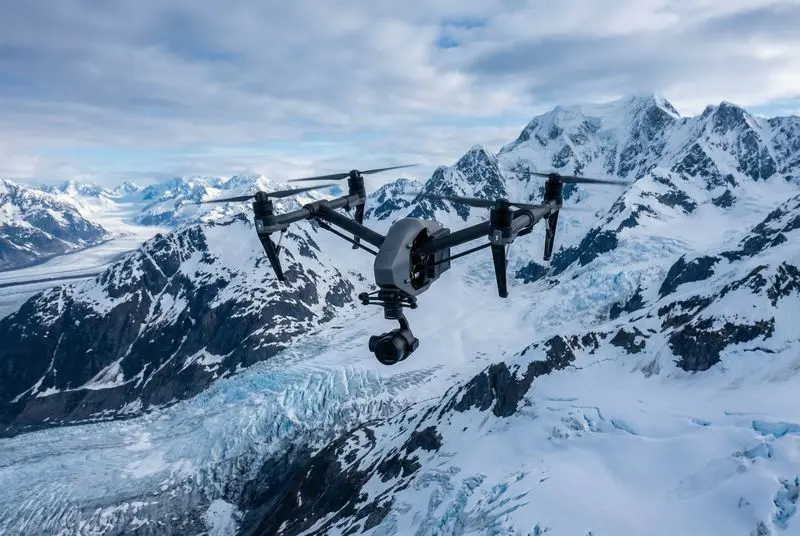
Drone Laws in Alaska: What You Need to Know (2026 Guide)
Navigating the world of drone operation requires a clear understanding of the rules and regulations that govern the skies. For both recreational and commercial drone pilots in Alaska, this means being aware of a combination of federal, state, and local laws. The vast, rugged landscapes of “The Last Frontier” offer impressive opportunities for aerial photography and videography, but this freedom comes with the responsibility of flying safely and legally.
Federal Drone Laws That Apply in Alaska
All drone pilots operating in the United States, including in Alaska, must adhere to the regulations set forth by the Federal Aviation Administration (FAA). These rules provide a foundational framework for safe and responsible drone operation.
- FAA Registration: Drones weighing more than 0.55 pounds (250 grams) must be registered with the FAA. The registration costs $5 and is valid for three years. Your registration number must be displayed on the exterior of your drone.
- Remote ID: As of September 16, 2023, all registered drones are required to broadcast Remote ID information. This acts as a digital license plate for your drone, enhancing safety and security in the national airspace.
- Part 107 for Commercial Pilots: If you are flying your drone for any non-recreational purpose, such as for a business or for compensation, you must obtain a Remote Pilot Certificate by passing the FAA’s Part 107 exam.
- TRUST for Recreational Pilots: Recreational flyers are required to pass The Recreational UAS Safety Test (TRUST) and carry proof of passing with them when flying.
- Altitude and Airspace: Drones must not be flown above 400 feet in uncontrolled (Class G) airspace. To fly in controlled airspace (Classes B, C, D, and E), you must receive authorization through LAANC or DroneZone.
- Visual Line of Sight: You must keep your drone within your visual line of sight (VLOS) at all times, or have a visual observer who can see the drone and communicate with you.
For more detailed information and to register your drone, visit the FAA DroneZone and download the B4UFLY app to check for airspace restrictions before you fly.
Alaska-Specific Drone Laws
While many states have enacted comprehensive drone-specific legislation, Alaska has taken a more targeted approach. The state has a few key statutes and regulations that drone pilots should be aware of.
-
Law Enforcement Use of Drones (AS 18.65.901 & AS 18.65.902): These statutes establish clear guidelines for how law enforcement agencies can use unmanned aircraft systems. AS 18.65.901 mandates that law enforcement agencies must adopt operational procedures, including obtaining FAA authorization, training pilots, and maintaining flight records [1]. AS 18.65.902 specifies that law enforcement can use a drone to gather evidence with a search warrant or in accordance with a judicially recognized exception to the warrant requirement [2].
-
Use of Drones for Hunting and Fishing (5 AAC 33.398): The Alaska Administrative Code prohibits the use of unmanned aircraft for certain hunting and fishing activities. Specifically, 5 AAC 33.398 states that a person may not use an unmanned aircraft to locate salmon for commercial taking or to direct commercial salmon fishing operations during an open commercial salmon fishing period [3]. Another regulation, Alaska Admin Code 92.080, makes it illegal to use drones with cameras to aid in locating game while hunting.
Local and City Regulations
In addition to federal and state laws, drone pilots in Alaska must also be mindful of local ordinances that may be in place. While Alaska does not have a state-wide preemption law that would prevent local governments from creating their own drone rules, few municipalities have enacted comprehensive drone ordinances. However, it is always best to check with the local authorities in the specific area where you plan to fly.
For example, the Municipality of Anchorage has specific rules regarding the use of remote control aircraft in its parks. Flying is only permitted in designated areas within Storck Park and Loretta French Park. It is crucial to research the local laws of any city or town you plan to fly in, as regulations can vary significantly.
Where You Can and Can’t Fly in Alaska
Knowing where you are allowed to fly is just as important as knowing the rules of the air. Here are some general guidelines for flying in Alaska:
- National Parks: Flying a drone is prohibited in all National Parks in the United States, including those in Alaska, such as Denali National Park and Preserve and Glacier Bay National Park.
- State Parks: The policy for flying drones in Alaska State Parks is not explicitly defined on a statewide basis. It is recommended to contact the specific park you plan to visit to inquire about their drone policy.
- Airports and Controlled Airspace: Do not fly your drone within 5 miles of an airport without proper authorization. Use the B4UFLY app to see where controlled airspace is located.
- Military Installations: Flying over military bases is restricted. Avoid flying in these areas.
- Wildfires: Never fly your drone near a wildfire. Doing so can interfere with firefighting efforts and is illegal.
Penalties and Enforcement
Violating drone laws can result in significant penalties. The FAA can impose fines ranging from $1,771 to $36,770 per violation for unsafe drone operations. Criminal penalties are also possible for endangering aircraft. State and local authorities can also enforce their own laws, which may come with additional fines or legal consequences.
Tips for Staying Compliant
- Check B4UFLY: Always use the B4UFLY app to check for airspace restrictions before every flight.
- Register Your Drone: If your drone weighs over 250g, make sure it is registered with the FAA.
- Get Certified: If you are flying commercially, get your Part 107 certificate. If you are flying recreationally, complete the TRUST test.
- Respect Privacy: Do not fly over private property without permission, and be mindful of the privacy of others.
- Check Local Rules: Always research local ordinances before you fly.
- Stay in Visual Line of Sight: Keep your drone where you can see it.
Helpful Resources
- FAA DroneZone
- B4UFLY App
- Alaska Department of Transportation & Public Facilities – UAS
- Alaska State Legislature
- Drone Launch Academy Part 107 Course
References
[1] Alaska Statutes § 18.65.901. (2025). Operational requirements for unmanned aircraft systems. Justia Law. https://law.justia.com/codes/alaska/title-18/chapter-65/article-13/section-18-65-901/
[2] Alaska Statutes § 18.65.902. (2025). Use of an unmanned aircraft system by a law enforcement agency. Justia Law. https://law.justia.com/codes/alaska/title-18/chapter-65/article-13/section-18-65-902/
[3] 5 AAC 33.398. Use of aircraft unlawful. Legal Information Institute. https://www.law.cornell.edu/regulations/alaska/5-AAC-33.398
← Back to Drone Laws by State Directory
Disclaimer: Drone laws are constantly evolving. While we strive to keep this guide updated, you should always verify local ordinances and check the FAA B4UFLY app before flying. This page is for educational purposes and does not constitute legal advice.
Sources: FAA UAS | NCSL State Drone Law Landscape | FAA Remote ID | FAA Part 107